
Every home relies on a well-tuned HVAC system to maintain a steady temperature, clean air, and dependable comfort across seasons. From sizzling summers to chilly winters, your HVAC setup is a cornerstone of daily life, quietly shaping sleep quality, productivity, and overall well-being. Understanding how these systems work, what signs indicate trouble, and when to call a professional can save you money, reduce downtime, and extend the life of your equipment. This guide blends practical tips with expert insight to help homeowners navigate common challenges, plan for maintenance, and make informed choices when it’s time to upgrade or repair.
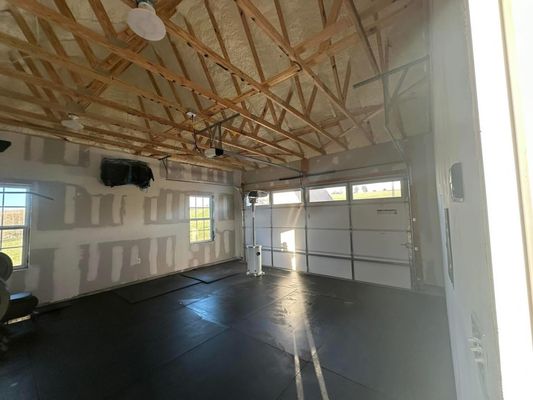
The role of indoor air quality in comfort and health
The best climate control begins with clean, balanced air; in this arena, ac repair near me becomes a practical starting point when humidity spikes or odors linger, and the path to consistent comfort often runs through trusted local technicians. Beyond temperature, air quality affects allergies, respiratory comfort, and even mental clarity, so many households think about filtration, ventilation, and moisture control as part of a holistic HVAC strategy. You’ll find that effective air management depends on correctly sized equipment, properly sealed ducts, and regular filter changes as part of a longer-term maintenance plan.
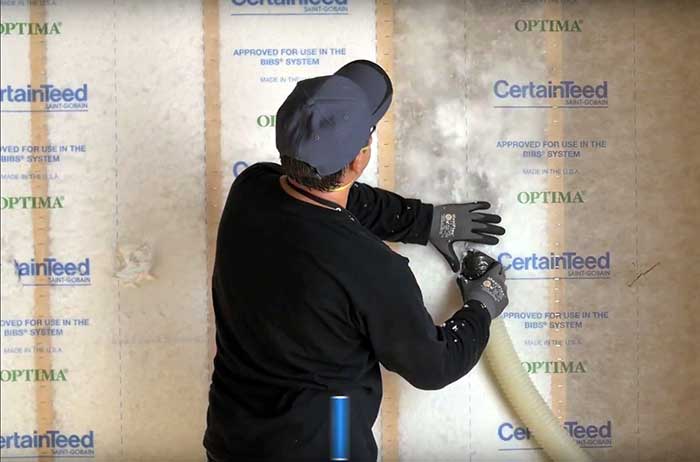
The section on filtration, humidity, and airflow highlights how seemingly small tweaks can yield noticeable gains in comfort and efficiency. When you consider replacing an aging component or upgrading to better filtration, the decision should align with your family’s health needs, lifestyle, and energy goals. A thoughtful approach also involves checking for gaps in ductwork and ensuring that outdoor air exchange does not overwhelm the system during peak heating or cooling cycles, which can otherwise undermine comfort levels.
Improving efficiency without sacrificing comfort
Energy efficiency is not a one-size-fits-all target; it grows from a combination of proper sizing, smart controls, and routine maintenance that keeps the system from working harder than necessary. HVAC projects that focus on sealing, insulation, and fan efficiency can noticeably reduce monthly bills while preserving the temperature fidelity you expect. When upgrades are appropriate, you’ll want to balance initial costs with long-term savings, taking into account climate, utility rates, and the specific performance of your current equipment.
In this section, a practical plan emerges: evaluate the age and efficiency rating of your current system, inspect duct integrity, and consider programmable thermostats that adjust temperatures based on occupancy and time of day. A well-executed approach often includes zone control, enhanced filtration, and variable-speed motors that minimize energy draw while preserving comfort across rooms. If you notice unusual noise, short cycling, or uneven cooling, those signals may point to opportunities for efficiency improvements rather than full replacement.
Maintenance routines that extend equipment life
Regular maintenance is the cheapest insurance against unexpected outages and escalating repair costs, and many homeowners find that a predictable schedule reduces the stress of seasonal transitions. The essentials include tuned-up heat exchangers, clean condensate lines, and capacitor checks, all of which help your system run smoothly when demand spikes. Scheduling service twice yearly—before cooling season and before heating season—can catch issues early, keeping repair costs predictable and performance consistent.
This section also covers practical, at-home steps that don’t replace professional service but support longevity. Simple checks like clearing debris around outdoor units, replacing filters on time, and verifying thermostat settings can compound the benefits of annual professional inspections. By combining DIY stewardship with professional diagnostic visits, you create a robust defense against surprises when temperatures swing dramatically.
Choosing the right service partner and local considerations
Selecting a trusted contractor matters almost as much as choosing equipment, because experienced technicians deliver accurate diagnostics, honest pricing, and timely follow-through. When you search for HVAC specialists or ac repair near me, you’re looking for a local team that understands climate nuances, building codes, and supplier options in your area. A reliable provider should offer transparent estimates, clear scope of work, and a track record of safety and compliance alongside practical maintenance plans.
Key questions to ask include how they verify airflow balance, what warranties they provide, and how their technicians stay current with industry standards. Look for documented training, certified technicians, and a written maintenance schedule tailored to your home’s layout and usage. A reputable partner will also review energy bills and offer a phased approach for any upgrades, helping you manage cost while maintaining consistent comfort.
Trends shaping the future of comfort and reliability
From smart sensors to refrigerant innovations and predictive maintenance, the HVAC landscape is evolving toward more precise control and data-driven service. Whether you’re upgrading a legacy system or installing new equipment, the goal remains steady comfort with lower energy impact and fewer outages. By embracing connected devices, homeowners can monitor performance remotely, receive alerts about potential issues, and phasing out energy waste without sacrificing convenience.
This section explores practical considerations for future-proofing your home, including the role of zoning, heat recovery, and advanced filtration technologies. It also discusses how regional climate patterns influence equipment choices, from refrigerant compatibility to coil design, ensuring your investment performs optimally now and as conditions change. With thoughtful planning, you’ll be positioned to adapt to shifts in technology while maintaining an affordable, dependable climate in every room.
Conclusion
A well-managed HVAC system blends comfort, efficiency, and reliability into a coherent home environment. By staying proactive with maintenance, choosing the right equipment and service partners, and embracing smart, future-ready upgrades, you can enjoy steady temperatures, clean air, and lower energy costs for years to come.